
 VDA LLC
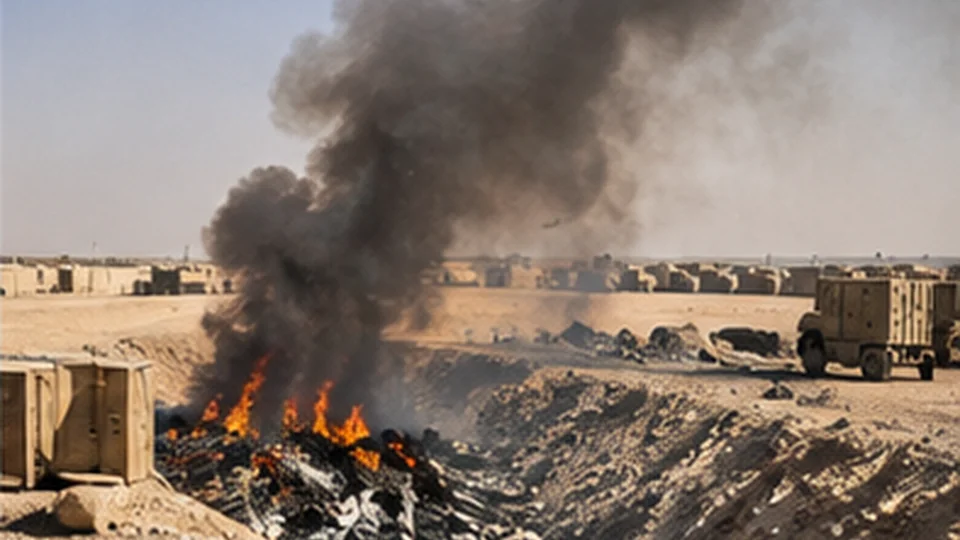
Veterans who served near open-air burn pits may have inhaled smoke from fuel, plastics, waste, and other materials. Some conditions are now covered by presumptions, but a veteran can also pursue direct service connection when the disease is not on the list.
Burn Pit Exposure Is Not Itself a Disability Rating
VA compensates disabilities, not exposure alone. The first question is whether the veteran has a current diagnosed condition or compensable residual. The second is whether qualifying service and the applicable legal pathway connect that condition to service.
A veteran with documented exposure but no diagnosed disability will not ordinarily receive a separate disability percentage simply for having been near a burn pit.
Which Conditions May Be Presumptive
The PACT Act expanded presumptive service connection for certain respiratory conditions and cancers for veterans with qualifying service in designated areas and time periods. Examples include chronic sinusitis, chronic rhinitis, and asthma diagnosed after service, along with specified cancers.
Do not treat every respiratory symptom as a presumptive diagnosis. The medical records should identify the actual condition, and the deployment history should satisfy the relevant statutory criteria.
What Evidence Can Establish the Claim
Useful evidence includes deployment records, location and duty assignments, diagnoses, imaging, pulmonary testing, treatment records, and lay statements describing symptoms. The claimant should identify when symptoms began and whether they persisted after service.
The Airborne Hazards and Open Burn Pit Registry can be a useful health resource, but registry participation is not a substitute for filing a disability claim and does not itself establish service connection.
Direct Service Connection for Other Diseases
If the claimed disease is not presumptive, the veteran may still establish service connection with evidence of exposure and a medical opinion explaining how the veteran’s exposure history relates to the diagnosis. VA’s toxic-exposure risk activity framework can be relevant to development and examination requirements.
An opinion that merely states a condition is not presumptive does not fully answer whether it is directly related to the veteran’s exposure.
When VA Denies the Claim
Identify the exact basis for denial: no diagnosis, no qualifying service, no nexus, or an unfavorable rating assessment. Compare the decision with the medical and service evidence. In some cases the central problem is an examiner who considered only the lack of a presumption.
An appeal should focus on the missing element. A new nexus opinion may help one claim, while proof of a deployment location or correction of a factual error may be more important in another.
What to Do Before Filing or Appealing
A burn pit claim should be built around the actual diagnosed disease, the service record, and the correct presumption or direct medical theory.
Keep the rating decision and notification letter, identify the exact issue under dispute, collect the relevant records, and review the deadline before selecting a review option. Evidence that answers VA’s specific reason for denial is more useful than a stack of unrelated documents.
Get Help From an Experienced VA-Accredited Claims Agent
VDA LLC provides professional representation through VA-accredited claims agents for eligible VA disability claims and appeals. We can review the decision, identify potential factual or legal errors, evaluate the evidence, and help determine the appropriate next step. VA-accredited claims agents are not attorneys, and representation does not guarantee a particular outcome.