
 VDA LLC
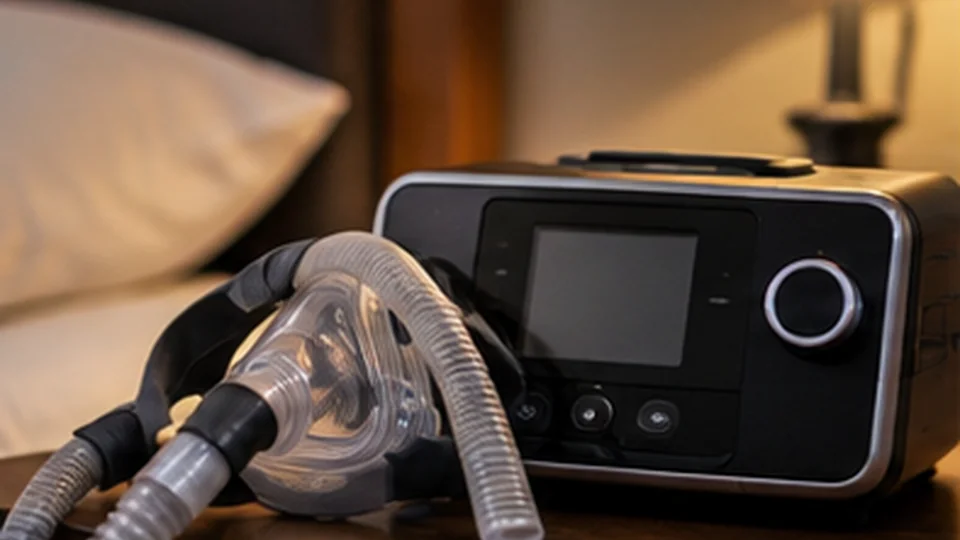
Sleep apnea claims often turn on two different questions: whether the condition is service connected and what percentage VA should assign. A sleep study can establish obstructive sleep apnea, but a diagnosis alone does not establish that military service caused it. Once service connection is established, the rating schedule determines the percentage.
How VA Rates Sleep Apnea Under Diagnostic Code 6847
Under 38 C.F.R. § 4.97, Diagnostic Code 6847, the longstanding rating criteria assign 0 percent for documented sleep-disordered breathing without symptoms, 30 percent for persistent daytime hypersomnolence, 50 percent when the condition requires use of a breathing-assistance device such as a CPAP machine, and 100 percent for specified severe respiratory findings such as chronic respiratory failure with carbon dioxide retention, cor pulmonale, or a required tracheostomy. The applicable version of the regulation and effective date matter. Proposed changes are not automatically current law.
The 50 percent criterion concerns whether a breathing-assistance device is medically required, not whether the veteran likes using it. A prescription, sleep study, treatment notes, and evidence of the provider’s recommendation can be critical. A CPAP prescription does not itself prove service connection.
Service Connection Comes Before the Percentage
A veteran may establish sleep apnea directly, secondarily, or through another legally supported theory. Direct claims often involve symptoms in service, contemporaneous reports of snoring or breathing pauses, later sleep testing, and competent medical evidence addressing the relationship. Secondary claims may involve whether an established service-connected disability caused or aggravated sleep apnea.
VA must evaluate the evidence rather than assume that every diagnosis occurring after service is unrelated. At the same time, the mere fact that two diagnoses coexist does not establish causation.
What Evidence Supports a 50 Percent Evaluation
Relevant evidence may include the diagnostic sleep study, prescription for CPAP or another qualifying breathing-assistance device, sleep clinic notes, and a Disability Benefits Questionnaire addressing treatment requirements. Keep copies of any documentation showing why the device is required.
If VA assigns 30 percent despite records showing a medically required CPAP, compare the rating decision’s factual findings against the evidence and the version of the rating criteria applicable to the claim.
What If VA Denies Service Connection or Assigns 30 Percent
A denial of service connection requires a different response from an underrating. Review the favorable findings, the examiner’s medical reasoning, and the decision’s discussion of the evidence. An appeal may focus on a missing nexus, an inadequate opinion, or overlooked CPAP documentation.
Depending on the decision and evidence, the appropriate review option may be Higher-Level Review, a Supplemental Claim with new and relevant evidence, or a Board appeal. Deadlines can affect the effective date.
Common Questions About CPAP Ratings
Does every CPAP user automatically receive 50 percent? No. The veteran must first establish service connection, and the applicable rating criteria must be satisfied. Does stopping CPAP use necessarily eliminate entitlement? Not automatically. The question is whether the condition requires the device, based on the evidence and governing rules.
Can a veteran receive a 100 percent sleep apnea rating? The schedule provides a 100 percent level, but it requires substantially more severe qualifying findings than ordinary CPAP use.
What to Do Before Filing or Appealing
A rating dispute may be resolved by identifying exactly what VA overlooked: the device requirement, the medical evidence, or the underlying service-connection theory.
Keep the rating decision and notification letter, identify the exact issue under dispute, collect the relevant records, and review the deadline before selecting a review option. Evidence that answers VA’s specific reason for denial is more useful than a stack of unrelated documents.
Get Help From an Experienced VA-Accredited Claims Agent
VDA LLC provides professional representation through VA-accredited claims agents for eligible VA disability claims and appeals. We can review the decision, identify potential factual or legal errors, evaluate the evidence, and help determine the appropriate next step. VA-accredited claims agents are not attorneys, and representation does not guarantee a particular outcome.
Related VA Benefits Guides
- Sleep Apnea Secondary to PTSD: How to Establish Service Connection
- Sleep Apnea Secondary to Allergic Rhinitis or Chronic Sinusitis
- What Makes a Good VA Nexus Letter?
- What to Do After a VA Claim Denial